Knowing Part 2


feynmanart3
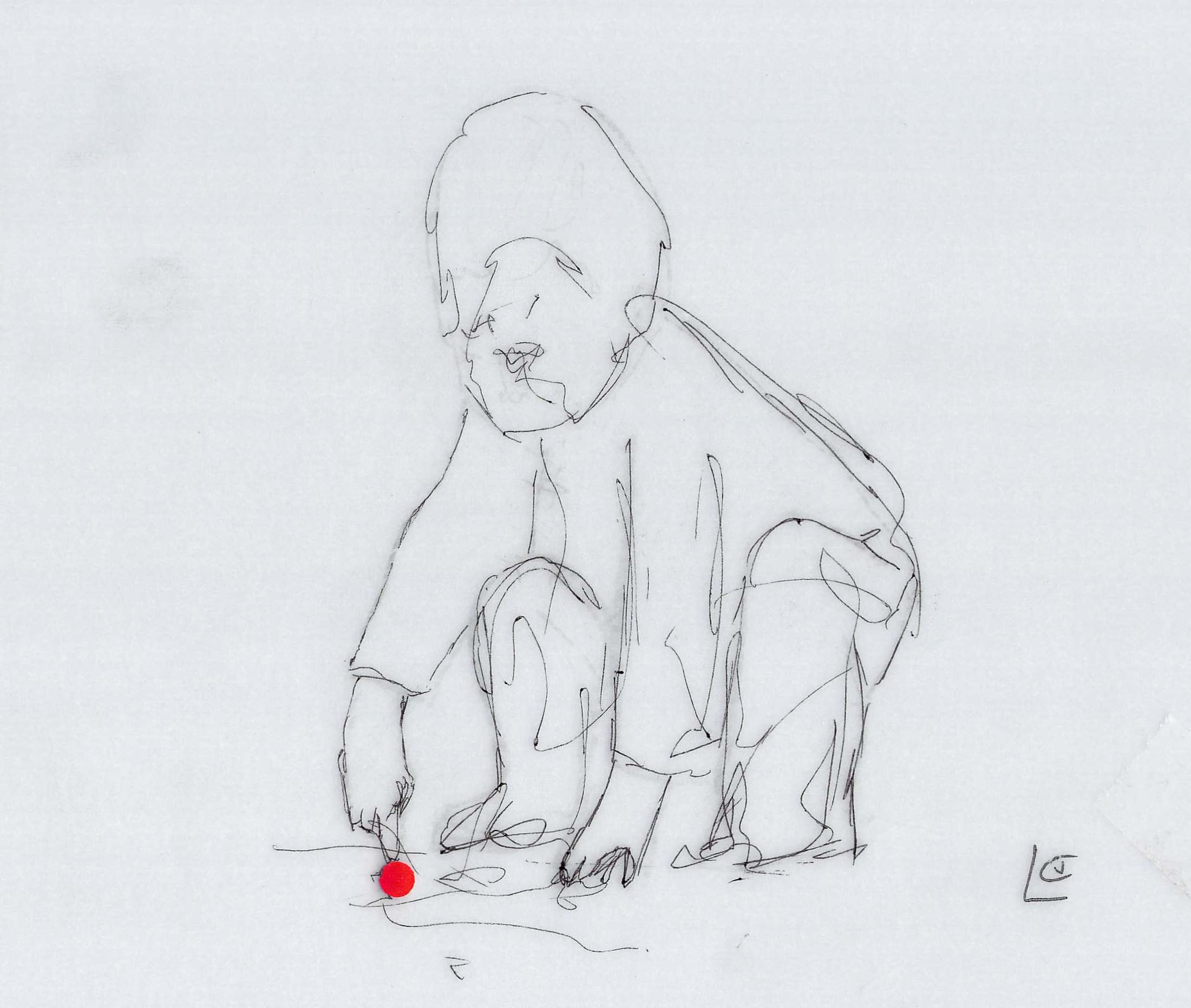
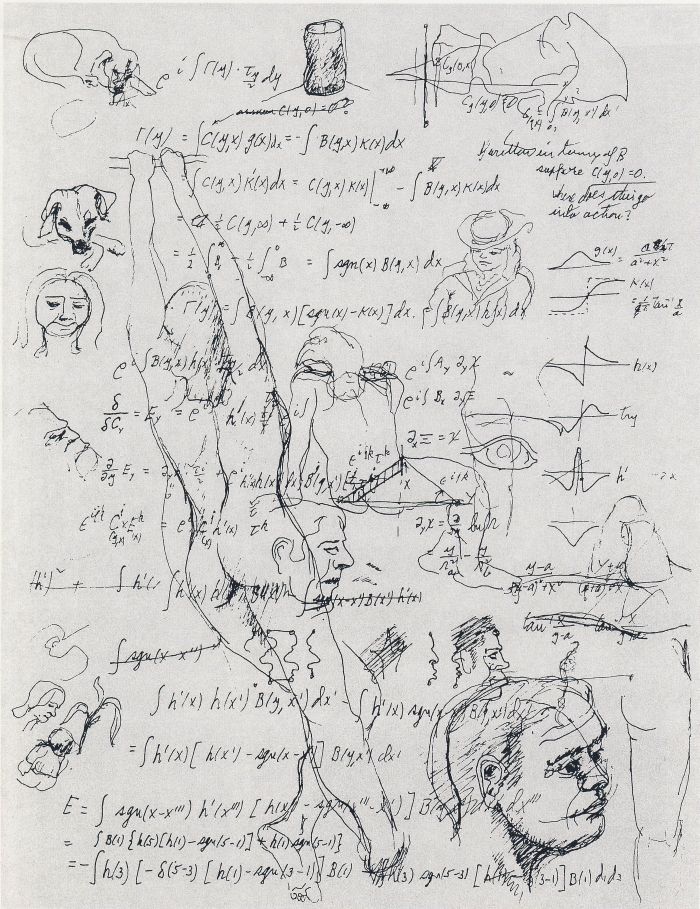
Drawing By Richard Feynman


Why is knowing important?

Knowing some fact or metric can enable a change be it training or the performace of a product.

Also knowing a sensation and becoming aware gives you non-verbal esoteric knowledge.

To enable change we need to know where we are.

The more you know the more you realise what you don’t know, and the more you see the interconnectedness of everything.

Taking it as read that everything is linked, thats just data/noise, what is useful is to make connections of past experience/knowledge and applying it to new things in new ways.

Polymaths use this and the partitioning of education into science and arts and giving one more importance over the other is short sighted to say the least. How do people for example impart scientific data? purely through numbers or words or do we use graphics? there is a link with science and art right there, and who says that if science and art were interwined to varying degrees that new methods of displaying information could not further the cause?

One of the best know examples of this was Leonardo Da Vinci, amongst his many undertakings he worked out how the heart valves closed hundreds of years before modern scientists did. Of course he did not specialise as modern man does but that is to the detriment of modern man. Leonardo noticed what was always there but needed to be seen, he looked around him noticed nature and then pondered.

Finally, the image at the top of this post brings us back to the previous “Knowing” post, Richard Feynman a scientist by training started drawing in earnest at the age of 44, he had art lessons from an artist friend and in return he gave science lessons. Feynman displayed some of his scientific ideas through diagrams as shown below:
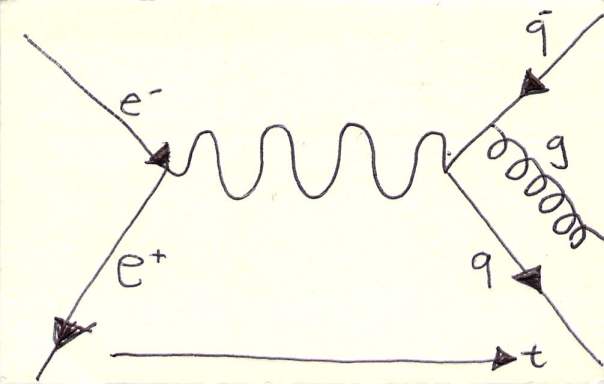
Feynman Diagram


If you are not open and aware then what will you miss?
 

References:

The Art of Ofey

Feynman Diagram

Feynman Diagram Video

Leonardo da Vinci and the Sinuses of Valsalva

Seeing & Looking – Listening & Hearing

Ever been to a musical concert where people film the musicians in front of them? This filming is undertaken in a sub optimal situation be it people in front of them, poor microphone or small lens.

Suboptimal issues aside, they are filming the concert to what end, to say they have been?

They are looking at the concert through a lens and not seeing it.

Seeing is not the same as looking, one has an active component. The same can be said of hearing and listening.

Why not just be and trust your mind to make memories as we would have in the past when we had no choice but to experience and remember.

We now have more pictures, data and I would proffer that we have less memories, as we always think we can rely on this data stored digitally.

Knowing

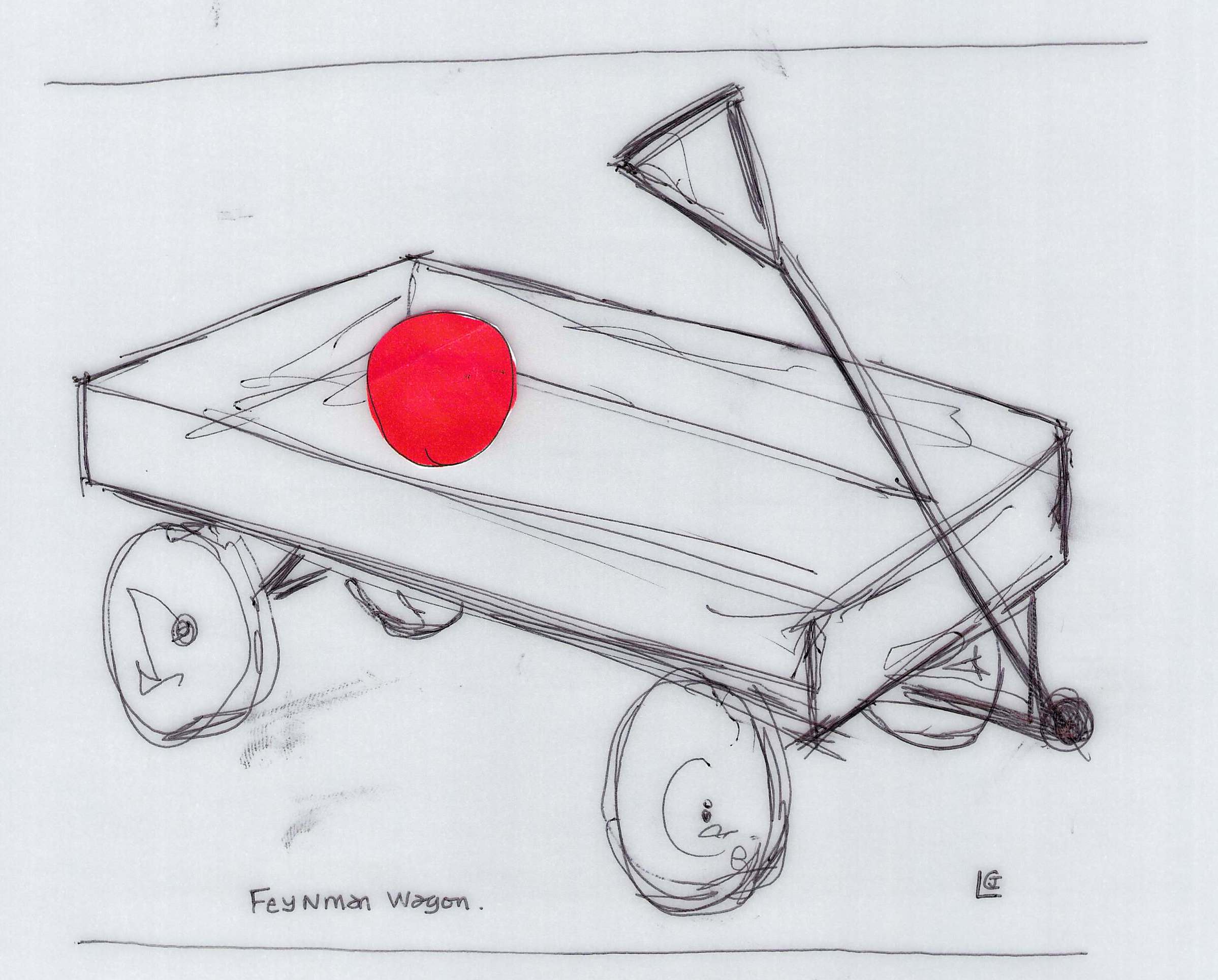
Feynman's Wagon


Scratch under the surface of most people and you will find they have a thin layer, a veneer if you will, not of knowledge but of facts.

With modern technology facts are easy to come by, knowledge it seems has taken a back seat, maybe because it takes contemplation and the stimulation of the modern world drowns this out.

Facts are not knowing.

What do you know?

The wonderful Richard Feynman talks about this in the clip below, I recommend looking into his works, a fascinating insightful man.


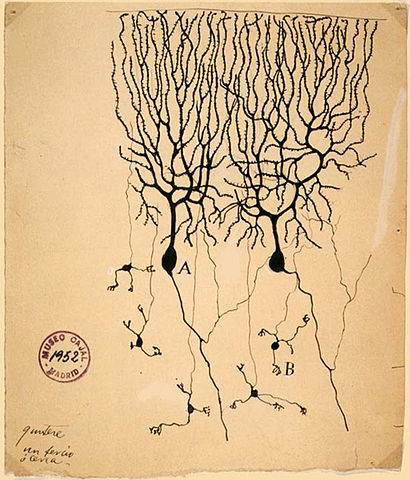
Pathways – Habits

"PurkinjeCell". Licensed under Public domain via Wikimedia Commons - http://commons.wikimedia.org/wiki/File:PurkinjeCell.jpg#mediaviewer/File:PurkinjeCell.jpg
“PurkinjeCell”. Licensed under Public domain via Wikimedia Commons – http://commons.wikimedia.org/wiki/File:PurkinjeCell.jpg#mediaviewer/File:PurkinjeCell.jpg

The more a motor pattern is undertaken, the more well trodden the pathway becomes.

The less a pathway is used the more it becomes overgrown.

You will have developed both helpful and unhelpful habits which have both laid down pathways. Maybe the unhelpful habits are remnants of a once useful habit.

Take for example an injured ankle, this will invoke a limp. Long after the injury has healed the limp may remain with the resultant tightening at the waist and the extra load on the other leg. Long after the initial injury has healed the compensatory patterns may cause other issues, the passage of time will hide the original cause.

People sense the pain but not the movement pattern causing it.


Further Reading:

Purkinje Cell

Myelin


Life. Content. Friends.

dunbar number

Is your life the content you are sharing with the world?

Can ‘life’ be it family moments or achievements be of any use to others outside of your close network?

The answer is maybe, its all to do with context and of thought and not merely self publicising and ‘selfies’. If the life content has a point or is the germ for an observation about said life I can see benefit. Would it not just be better to get on with the task and not bother telling everyone?

The world of social media exposes ourselves to networks we cannot comprehend, I will refer you to the links relating to Dunbars Number in the further reading, but basically it can be described as below:

“Dunbar’s number is a suggested cognitive limit to the number of people with whom one can maintain stable social relationships.”

Ask yourselves who are these people you are showing off or showing your life to? If you don’t know them why would you bother.

Writers, artists, filmmakers use their own life as material but its used as a comment or the aforementioned germ to spawn a line of thought.

data vs information


Writers/artists commentators take some raw material and make something of it, there is data and there is information. Data is raw and unprocessed and when processed it becomes information. In the same way that Bauxite is aluminium in its ore/natural state, it needs to be processed to become of use. Just showing the world family shots only is of use to family or when it has a context for others to identify.

  • You can’t see everything or know everyone.
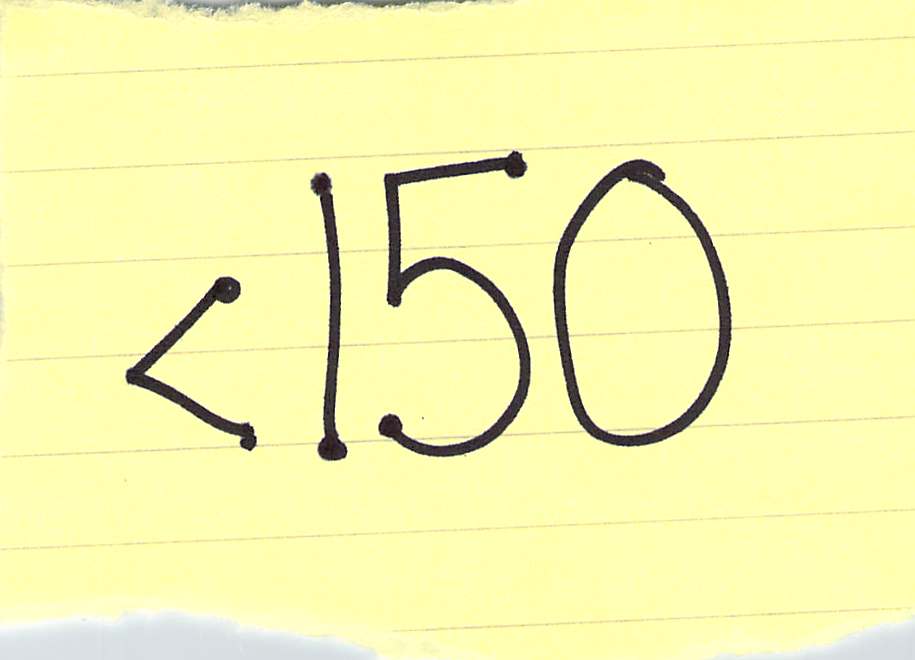
  • Small is beautiful <150.
  • Social media or social commentary.
  • Social media is rarely social.

Social media is normally anything but social, it is merely hiding in plain site. The illusion of society but actually a distraction from the place you are and the people you are physically with. Look up from the screen and be social without the media.

Further Reading:

http://en.wikipedia.org/wiki/Dunbar’s_number

http://www.theguardian.com/technology/2010/mar/14/my-bright-idea-robin-dunbar

Three words.

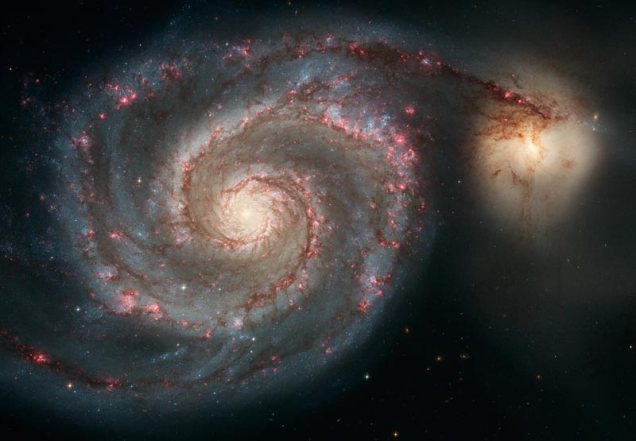
Whirlpool Galaxy M51 & Companion Galaxy [hs-2005-12-a-large_web]

Grace comes down to three words:

“Things moving freely”

Those three words are exhibited in the cosmos and are the way of graceful animal movement.

In the case of animal movement what is preventing graceful movement? Structural issues aside let us focus our gaze on the nervous system.

Ask yourself this question with experience and not words:

How is your nervous system holding you?

When lying down on a firm surface yield to it and see how you are lying are you holding yourself even when the unyielding surface can support you?

Ref:  http://hubblesite.org/gallery/album/entire/pr2005012a/large_web/

Go Towards….

can you touch the floor copy cropped

Have you ever had pain occur when you pick something albeit small up off of the floor.

Two things come to mind:

  1. Its probably not that incident that was the sole cause, merely it was the proverbial straw that broke the camels back. A build up of tension from repeatedly doing similar activities which comes to meet a threshold, cue spasm to protect the back.
  2. Adults often pick things up off of the floor by staying as far away from them as possible, in other words not squatting. Go towards the object instead of trying to stay upright, not just using the back but the joints of the legs also.

The paradox is what we do, to get the object we stay away when the opposite would be the better course of action.

Activities:

Can you touch the floor?

By this I mean can you touch it and not merely press or push on it?

Try getting up in different ways, varying:

  • Amounts of hand pressure
  • Amount of contact be it fingers, palm, fist…..

What do you notice happening with other parts of the body when you vary pressure and amount of contact?

Links in the chain.

IKBrunelChains
Isambard Kingdom Brunel


Thats what we are, nothing comes from nothing, we all build on the work of others sometimes because of their work and sometimes in spite of it.

The modern world has so much information available but people take very little time to let it percolate and stew, instead they publish quickly and get feedback quickly.

This easy accumulation of information does not allow time for it to become knowledge, for them to ‘know’ it.

Our ancestors had less information available but more time to think.

Don’t flit like a bird, be calm, ruminate and know.


 Links.

Creativity Link 1

Creativity Link 2

IK Brunel


Get a grip.

Note:
Although originally published in relation to kayaking/canoeing this post is applicable to gripping in a general sense and could be applied to many things such as:

  • Writing: gripping of a pen, quality of handwriting and any pain
  • Cycling: the ability to control the bike with ease and any pain in arms, shoulders or neck.

Continuing the theme of sensitivity.

Gripping hard can cause problems (see carpal tunnel) esp when flexing and extending wrist. But that aside try this experiment seated and with an empty hand. Repeat each step a couple of times. Try with dominant hand in first instance.

  1. Clench fist and relax.
  2. With hand on forearm clench fist again.
  3. With hand on Deltoid clench fist again

Deltoid

What do you notice when you clenched fist?

Takeaway points:

  1. Functionally the hand starts in the forearm.
  2. The harder you grip the tension goes up the arm and stiffens the shoulder girdle.
  3. This tension up the arm results in less mobility when side support is required, which can result in strained shoulder/dislocations.
  4. Try using the back when paddling forward and the arms for other strokes.
  5. Your grip does not need to be that hard, it will prevent a fluid action.
  6. Gripping hard will reduce your sensitivity of the paddles position in space.
  7. So basically relax your grip when you paddle, the correct amount of tension is “enough” and no more.
  8. What is useful tension and what is not useful tension.

Homunculus

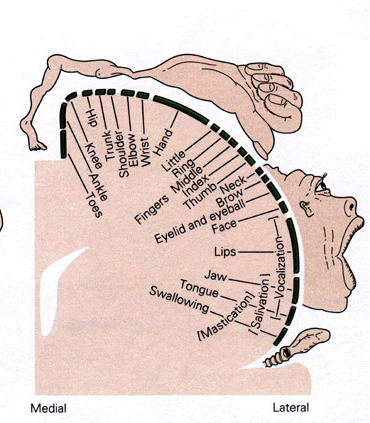
The sensory motor homunculus resizes the body parts of the human being according to the amount of cortical representation it has. The hands, lips are larger and the torso is small as the amount of brain processing power devoted to that body part is less.

Motor somato

  • Trauma aside, be it accident or surgery, where is your pain?
  • Is the pain in the enlarged “smart” regions or the small “stupid” parts?
  • Is society plagued by hand and lip pain or by back, hip & knee pain?

http://en.wikipedia.org/wiki/Cortical_homunculus